
Case Study: From School Inspiration to Engineering Role Model — Caitlin’s Full Circle Moment
Introduction
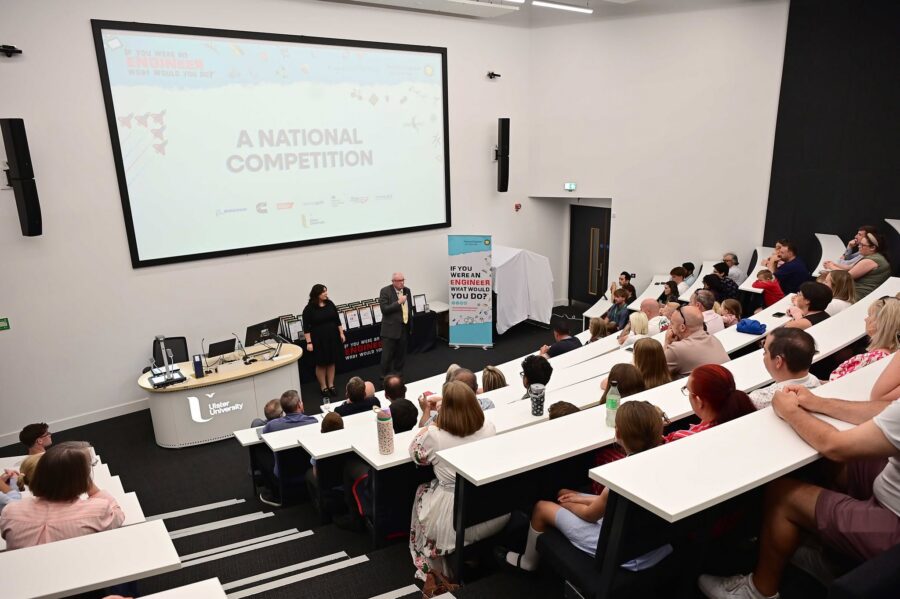
Exposure to engineering at school can have a lasting impact. For Caitlin, early involvement with Primary Engineer’s “If you were an engineer, what would you do?” Leaders Award competition helped reinforce an interest in problem-solving, design and STEM. Now aged 22, she is studying at Ulster University and involved in projects such as Primary Engineer ProtoTeams. Caitlin’s journey reflects the long-term influence that meaningful engineering engagement can have on young people and how those inspired by engineering can go on to inspire others.
Early exposure to engineering
Caitlin first became involved in with Primary Engineer in 2016, when she was 12 years old and a pupil at St Mary’s College, Derry. Although Caitlin did not enter the competition herself, through the school’s Technology and Design department, she helped support younger local primary school pupils as they took part in the “If you were an engineer, what would you do?” competition.
Reflecting on those experiences, Caitlin said:
“One time that stood out to me was when a local engineer within our city came in and chatted to the children about their experiences, what they do and their daily tasks.”
“It helped make engineering feel real because you could see the person behind the job and understand what engineering looked like day to day.”
After meeting an engineer, the competition asks pupils to identify a problem in the world around them and come up with a creative engineered solution to that problem. For Caitlin, being part of that process from a young age offered a valuable insight into how engineering can begin with curiosity, creativity and a desire to make things better.
The value of recognition
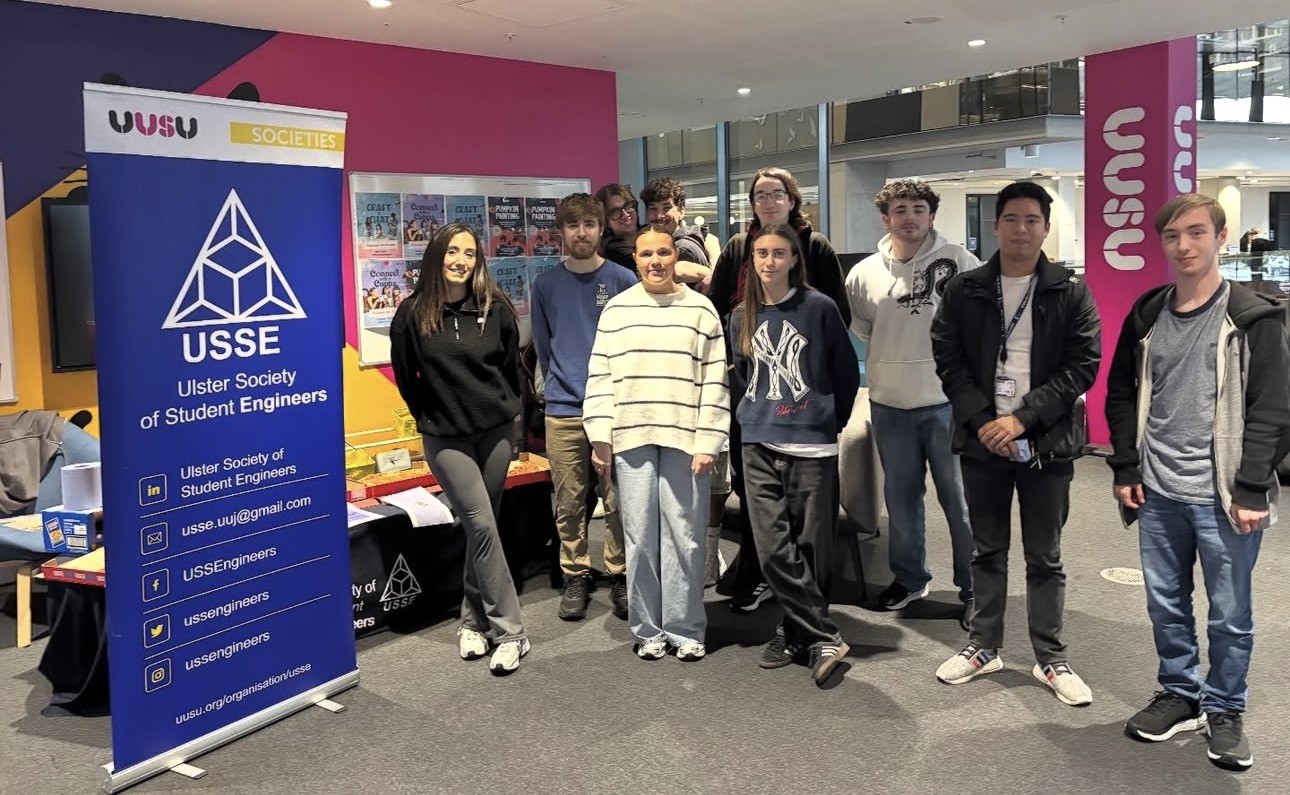
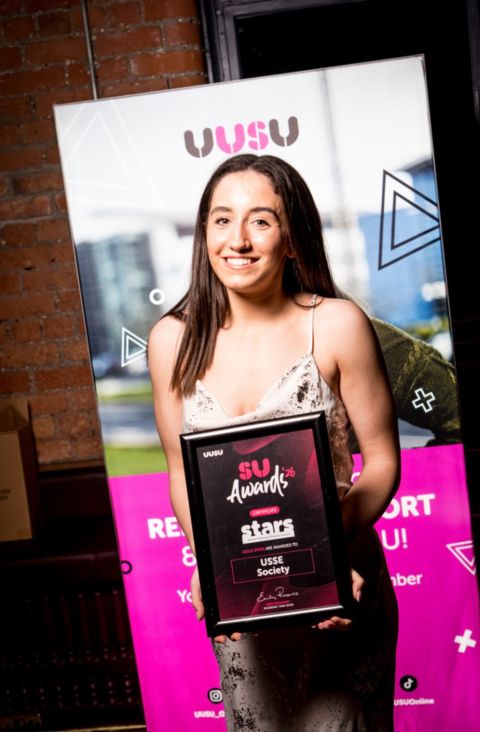
Caitlin believes that recognition plays a vital role in helping young people build confidence in their ideas.
“It means a lot to the child themselves as they are getting some advice from a person that inspires them, which hopefully will push them further in developing their aspirations in engineering.”
She also highlights the value of acknowledging participation and effort:
“A personalised certificate gives a sense of value to the child and achievement also, to participate in a competition and be recognised.”
Finding her path into engineering
Engineering had been on Caitlin’s radar from an early age.
“I knew from a young age that I was going into the engineering profession. I always loved solving problems, experimenting and building Lego, which is a little cliché but true!”
Initially, she saw herself pursuing civil engineering.
“I originally wanted to be a civil engineer up until I was 15 years old, then my dad took me to a building site and that changed my mind.”
Instead, a combination of mathematics, science and Technology and Design opened up new possibilities. After completing GCSEs and A-Levels in Life and Health Sciences and Technology with Design, Caitlin became increasingly interested in the connection between biomedical science, engineering and design. This led her to pursue a BSc in Technology with Design at Ulster University.
“My time at Ulster, especially in the school of engineering allowed me to explore the different paths within engineering through practicals, industrial experience for 1 year (Mine was R&D Project Management Co-Op at Stryker Belfast, a medical device company). This reignited my interest in biomedical engineering, leading to creating a smart inhaler for COPD patients for my dissertation project.”
Role models and representation
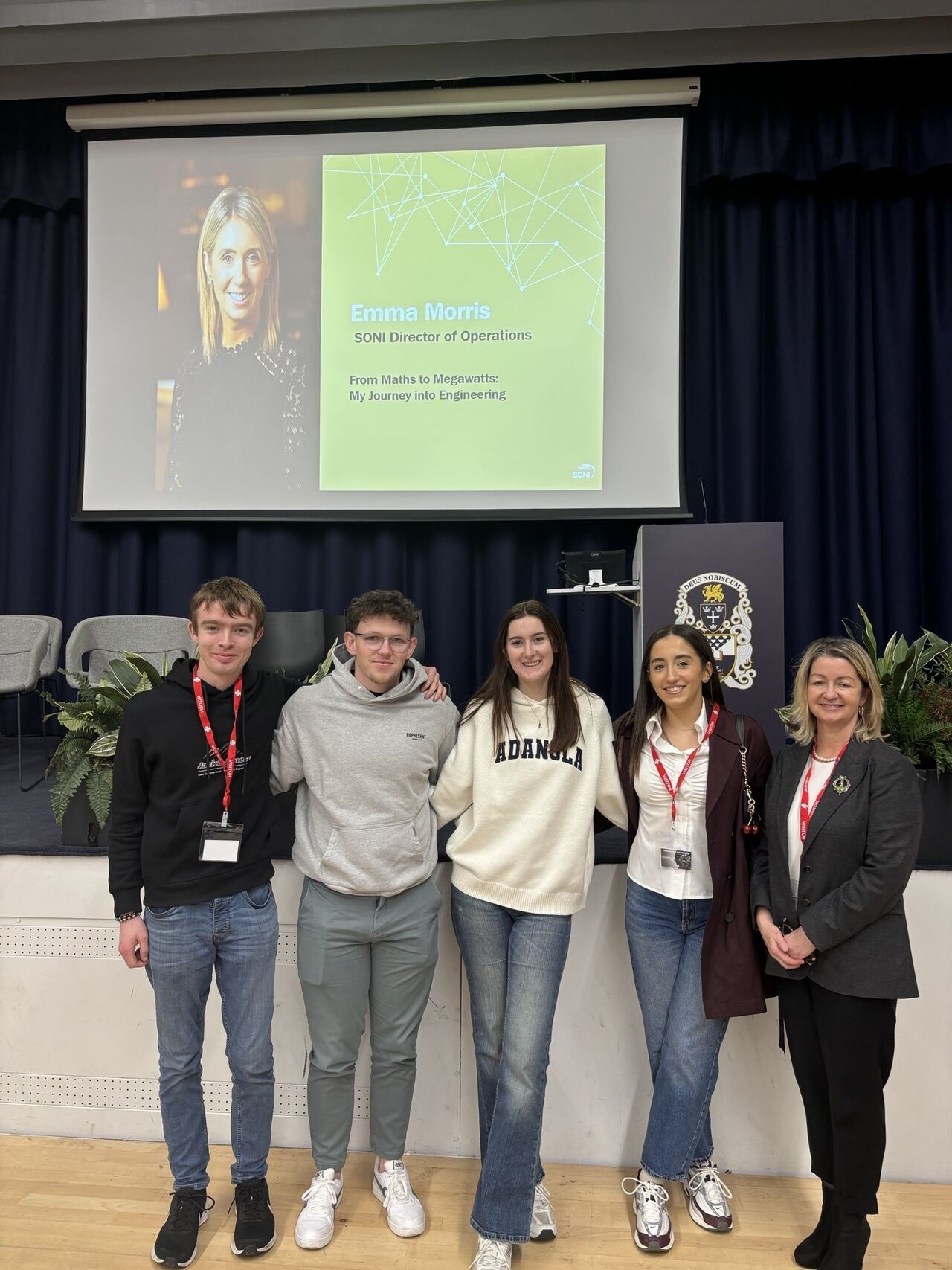
Speaking about the people who inspired her journey, Caitlin said:
“Throughout it all I have had two major inspirations – my Technology and Design teacher Mrs Claire Doherty from St Mary’s College, Derry, and Dr Joanna Ward, Head of Biomedical Engineering at Ulster University.”
“These are really women within STEM who are defying stereotypes within the industry.”
For Caitlin, seeing women succeed in STEM has been powerful. Their example helped show her what was possible and reinforced the importance of visible, relatable role models for young people considering engineering pathways.
Bringing a pupil’s idea to life
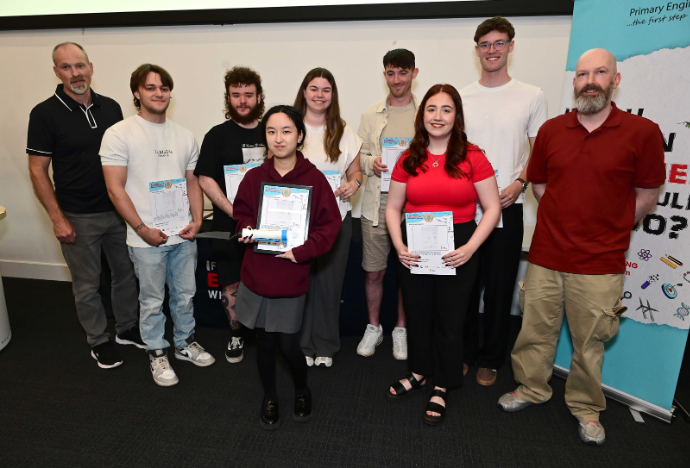
Each year, our university and industry partners form a Primary Engineer ProtoTeam and select an inspiring pupil entry from the ‘If you were an engineer, what would you do?’ Leaders Award Competition, originally displayed at our public exhibitions in the summer term.
Lilian’s ‘Auto Dispensing Trowel’ was chosen by the Ulster University ProtoTeam because it sparked curiosity, solved a problem and captured the brilliant originality of young engineering minds.
What followed was extraordinary. Working closely with Lilian and her school, Caitlin and the rest of the ProtoTeam, Carter Mcknight, Aisling McNeill, Jay Pennie, Ryan Addison and Conor Lewsley worked hard to bring Lilian’s idea to life, carefully considering how to make the tool easy to use and efficient, while keeping in mind the original concept. The completed prototype was unveiled at the Northern Ireland regional awards on 24th June.
Conclusion
Caitlin’s journey is a powerful full-circle example of the lasting impact that early engineering engagement can have. From helping younger pupils take part in Primary Engineer activities during her school years to studying engineering at Ulster University and inspiring others through her work today, her story demonstrates how exposure to engineers, hands-on problem-solving and meaningful recognition can help young people see a future for themselves in STEM.
Reflecting on her own experiences, Caitlin’s advice to young people is simple:
“Do what you love and it will be ten times easier, because you are simply enjoying it.”
Her journey highlights the importance of giving pupils opportunities to explore their ideas, connect with engineering role models and build confidence in their abilities. It is a reminder that competitions such as If you were an engineer, what would you do? do more than spark interest in engineering, they can help shape aspirations, open doors to future opportunities and inspire the next generation of engineers.
From September 2026, Caitlin is progresses onto her PhD as part of the EPSRC Centre for Doctoral Training (CDT) in Digital Health Technologies at Ulster University, where she’ll research and develop novel digital technologies for enhancing healthcare delivery and health outcomes (Tech4Health doctoral training programme). We wish her all the best.
Get Involved
Share your experience: Huge thank you to Caitlin from Ulster University for sharing these valuable insights. If you have worked with us and want to share your experiences, contact us on marketing@Primaryengineer.com
Learn more: If you want to learn more about how we deliver impactful outreach the Primary Engineer way, speak to us today.