
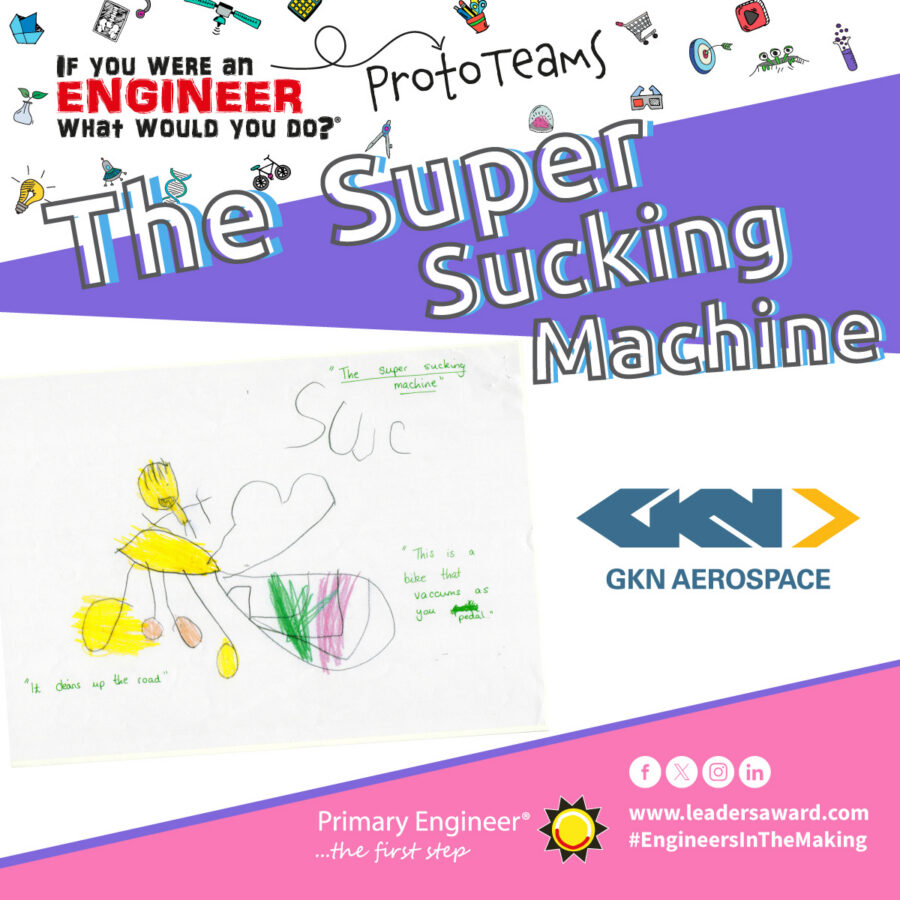
Powerful progress on the Super Sucking Machine prototype!
Project overview and progress
The GKN Aerospace ProtoTeam continues to make strong progress on the Super Sucking Machine as it moves from design into the early stages of build and testing. Since the first update, the team has worked through key planning stages and is now beginning to bring the prototype together.
The design has now been agreed following two structured review stages, with additional backup designs prepared in case changes are needed. A full process flow chart has been created to guide the project through to the Primary Engineer exhibition and this has been integrated into the project schedule to support progress tracking.
Most major components have now been sourced and early testing has begun to check feasibility. Outreach planning is also underway as the team continues to engage with the wider community.
Key milestones achieved
The team has reached several important milestones which have shaped the direction of the project. These include defining the scope and requirements, completing the initial design phase, and confirming the final design direction.
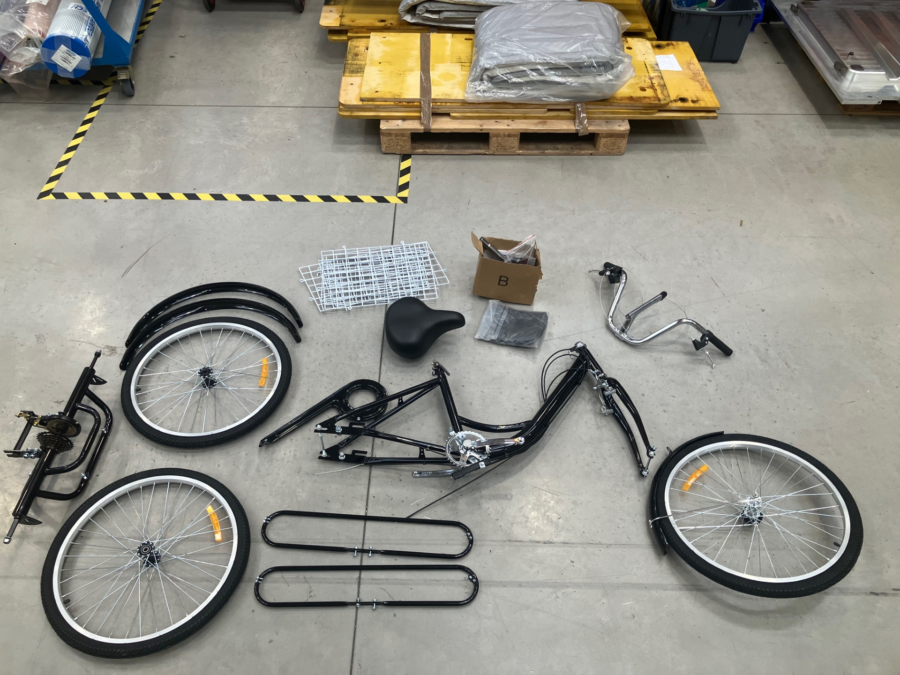
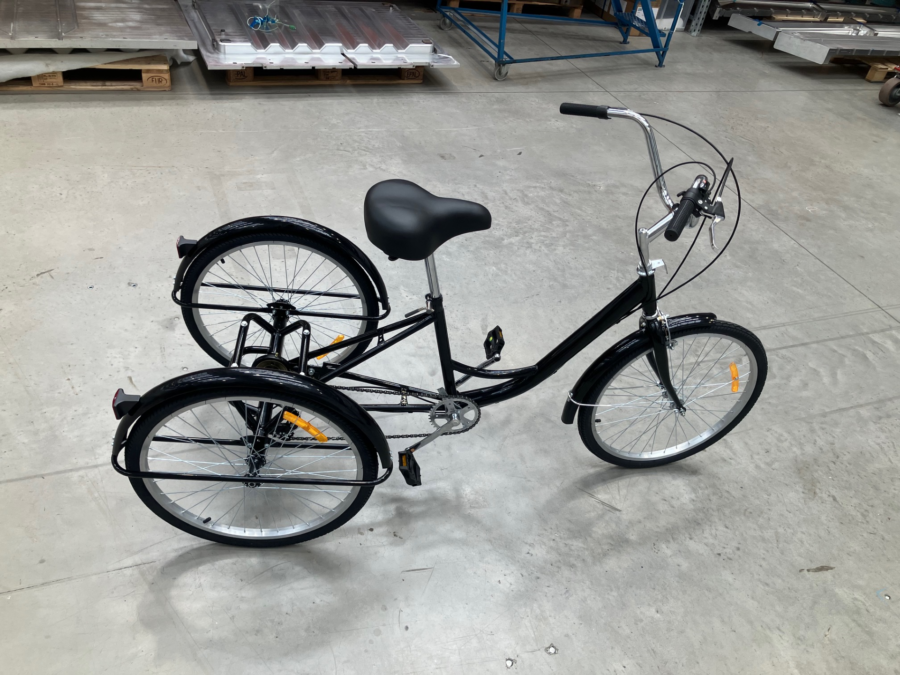
Risk assessments have also been completed to ensure the project remains safe and achievable. Key components have now been purchased including the tricycle, vacuum, brush, blower and structural elements. This has allowed the team to begin testing individual parts and preparing for full system integration.
Design development and requirements
To guide the design process, the team grouped the features of Ellis’s original idea into three levels of priority. These include must have features, should have features, and could have features. This approach helps the team stay focused on the most important elements first while still aiming to deliver a complete and effective system.
The must have features include safety systems, a stable wheel configuration, a working vacuum system, a suitable bike frame, storage for collected litter, and a design that allows smooth pedalling.
The should have features focus on usability and performance such as low pedal effort, integrated sweeping and vacuum systems, road and pavement use, and clear visibility for the rider.
The could have features include additional design details such as branding, improved waste removal systems, and the ability to work in a variety of conditions.
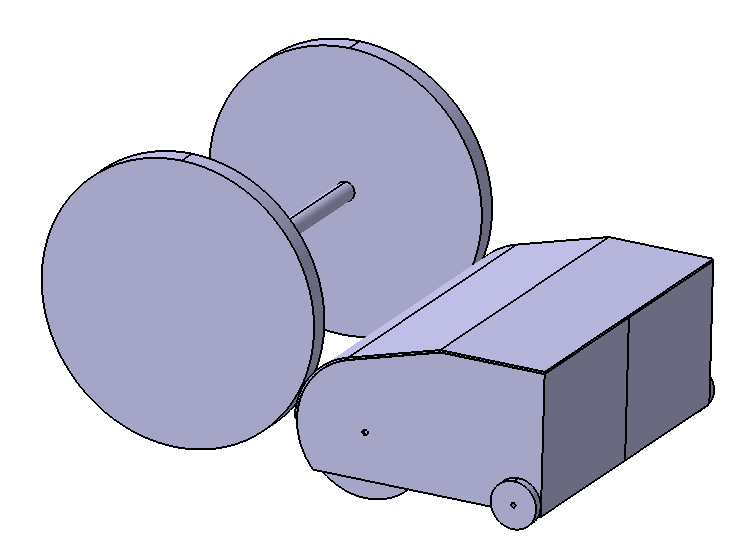
To support development, the system has been divided into several key sub systems. Each team member is responsible for specific areas such as the vehicle base, sweeping mechanism, vacuum system, collection bin, and power system. This has helped maintain clear ownership and efficient progress.
Design status and testing
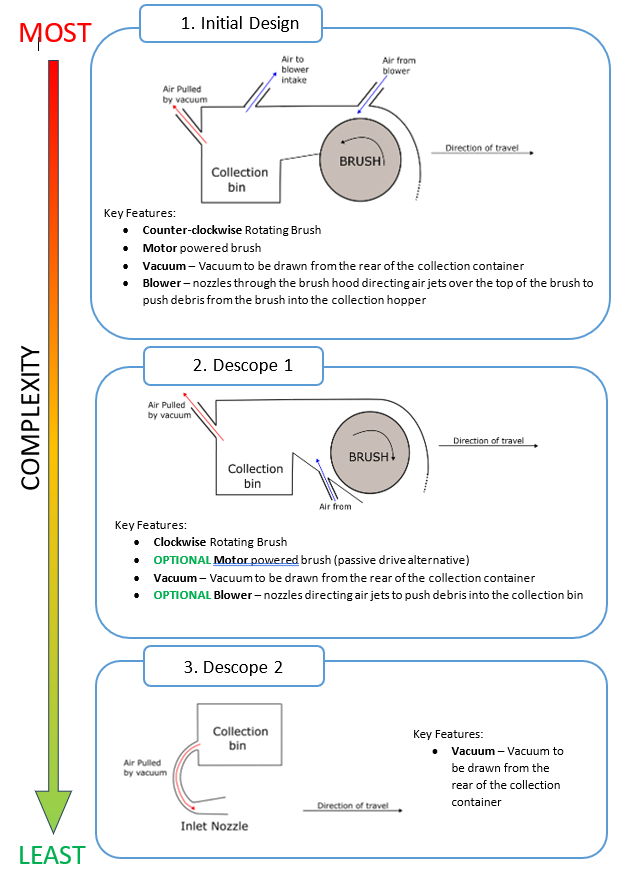
The team has followed a structured approach to design using timed stages to test ideas and manage risk. Early concept designs were created by each team member before being reviewed and combined into a single direction. Through formal reviews and testing, the team has now aligned on a final design while keeping alternative options available if needed.
The design will gradually simplify if challenges arise to ensure the project can be completed on time while maintaining the core function of the Super Sucking Machine.
Procurement and build progress
Procurement is progressing well with several major components already delivered. These include the tricycle, vacuum, brush and blower. These parts are now being used to test how each system performs before full integration.
Additional components such as structural parts and the motor system are currently being sourced. Finishing materials like paint and external panels will be added later as the prototype nears completion.
Challenges and risk management
Managing risk has been a key priority throughout the project. One of the main challenges has been keeping the design realistic while avoiding unnecessary complexity. The team has addressed this by finalising the design, creating backup options, and using regular review points to monitor progress.
Technical challenges such as motor performance and system integration are being closely tracked. The team continues to test solutions and adjust the design where needed to ensure the final prototype remains achievable.
Next steps
The next phase of the project focuses on building and integrating the main sub systems onto the tricycle frame. The team will continue testing key elements such as the motor and waste collection system to confirm final design decisions.
Manufacturing of parts will continue alongside further testing to refine performance and reliability. As the build progresses, attention will also turn to the final appearance and finishing touches of the Super Sucking Machine!