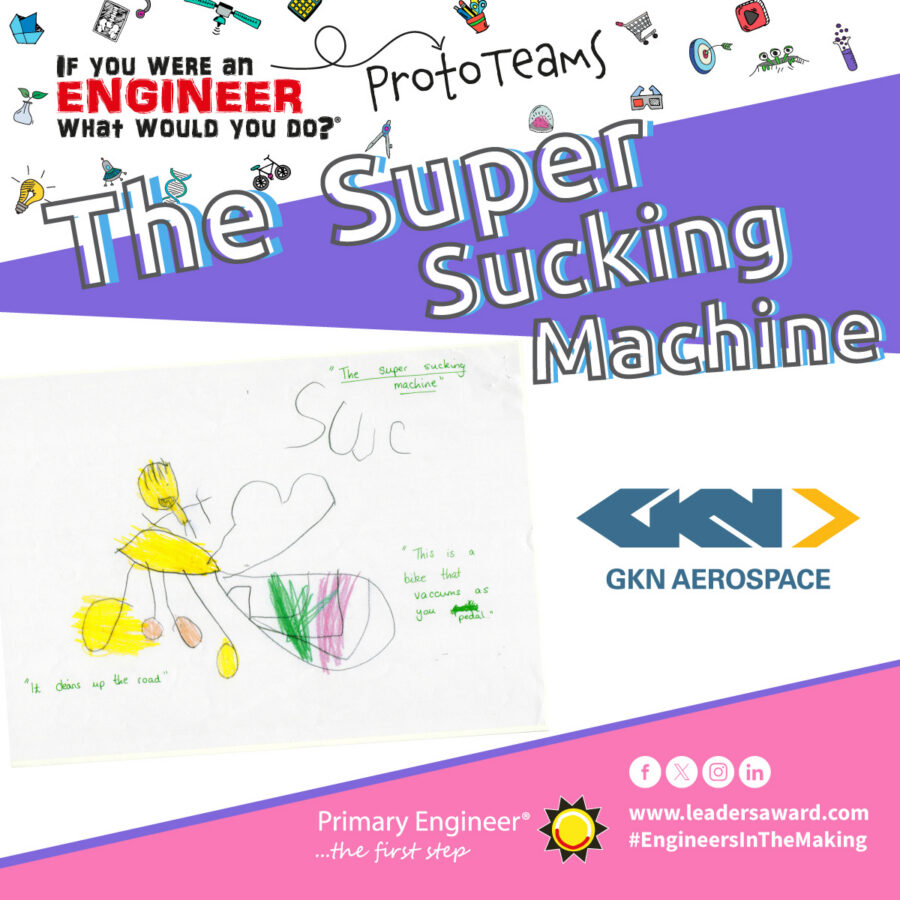
A Great Final Update on the Super Sucking Machine Prototype!
Addressing manufacturing challenges
As the Super Sucking Machine prototype moved closer to completion, the GKN Aerospace ProtoTeam focused on one final challenge, bringing all the individual subsystems together into a fully assembled working prototype.
At the end of the previous update, much of the manufacturing work had been completed, but the final assembly remained a key milestone. To keep the project on track, the team carried out targeted manufacturing trials, closely monitored the project schedule, and continued testing key components. Regular reviews helped ensure the design remained aligned with Ellis’s original vision while still being achievable within the available timeframe.
Meeting with the Design Authority
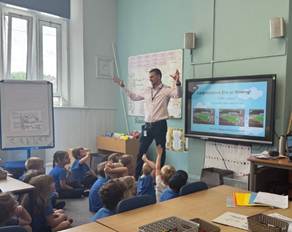
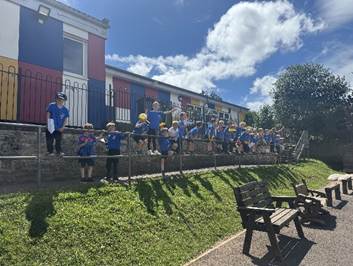
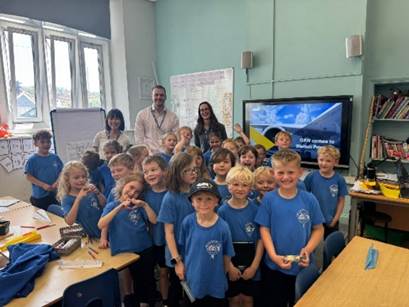
A highlight of the final stage was the opportunity to visit Ellis and his classmates at Welton Primary School. The visit allowed the team to share their passion for engineering, provide an update on the project, and meet a group of enthusiastic young engineers eager to learn more.
The session included presentations about GKN Aerospace, the Primary Engineer programme, and the journey of Ellis’s Super Sucking Machine from idea to prototype.
The pupils then took part in an engaging question and answer session, asking thoughtful questions about engineering careers, the project, and the aerospace industry. Their curiosity and enthusiasm made the visit particularly memorable.
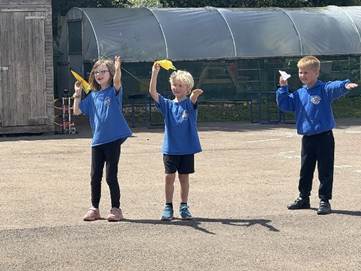
The team also organised the first Welton Primary GKN Paper Aeroplane Competition. Pupils designed, built, decorated, and tested their own paper aircraft before competing to see whose design could travel the furthest. The activity encouraged creativity, problem solving, and engineering thinking while providing plenty of excitement and fun.
Following the classroom session, the team met with Ellis and his parents to discuss the project in more detail. Their feedback helped shape the final stages of development. After reviewing progress and project risks, the team simplified certain aspects of the design to ensure the prototype could be completed on time while maintaining the core functionality and innovation of the original concept.
The team also organised the first Welton Primary GKN Paper Aeroplane Competition. Pupils designed, built, decorated, and tested their own paper aircraft before competing to see whose design could travel the furthest. The activity encouraged creativity, problem solving, and engineering thinking while providing plenty of excitement and fun.
Following the classroom session, the team met with Ellis and his parents to discuss the project in more detail. Their feedback helped shape the final stages of development. After reviewing progress and project risks, the team simplified certain aspects of the design to ensure the prototype could be completed on time while maintaining the core functionality and innovation of the original concept.
Building the final prototype
With the design finalised, attention turned to assembling the key subsystems that would bring the Super Sucking Machine to life.
Blower system
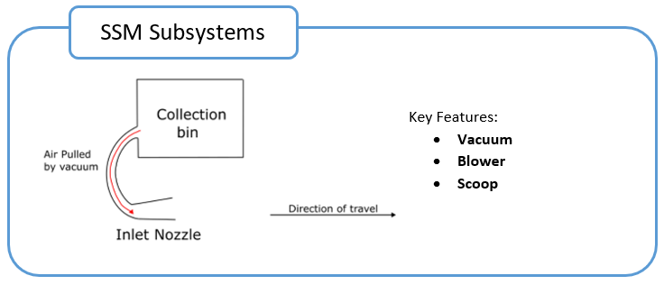
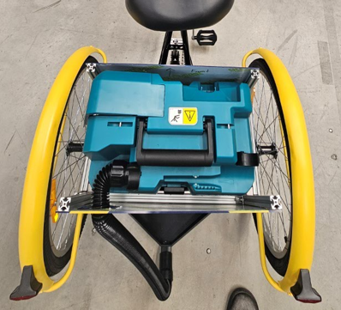
The original plan included a brush system to guide debris toward the vacuum. During development, the team introduced a blower system that could direct rubbish of different sizes towards the collection area more effectively. This solution improved versatility and performance across a range of conditions.
Scoop system
Working alongside the blower, the scoop captures and channels rubbish towards the vacuum. Together, these systems create a sweeping action that begins the collection process and helps contain debris during operation.
Vacuum system
The vacuum remains the heart of the Super Sucking Machine. Positioned behind the scoop, it continuously collects and stores rubbish while the vehicle is moving. This allows the machine to operate efficiently as the rider pedals.
Engineering with Ellis
Ellis played an important role throughout the project and remained closely involved during the final stages.
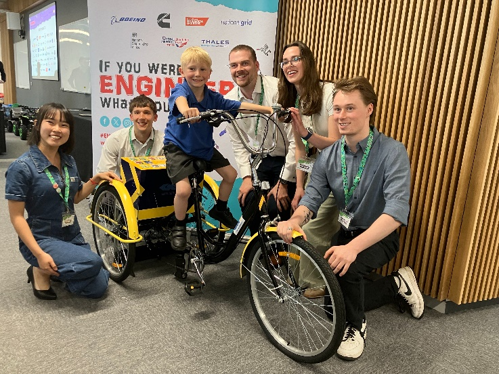
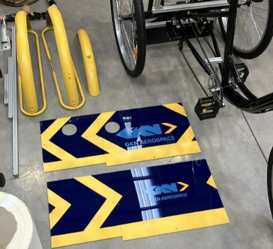
Working alongside the team, he helped shape the appearance of the machine by contributing ideas for the vacuum housing and selecting a bold blue and yellow colour scheme. This colour choice reflected both his vision and the GKN Aerospace branding.
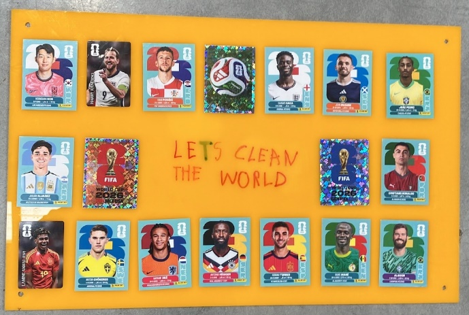
Ellis also became directly involved in manufacturing part of the prototype. He designed and created the top panel, decorating it with famous football players and the slogan “Let’s Clean the World.”
This message reflected the inspiration behind the Super Sucking Machine from the very beginning. Ellis wanted his invention to help improve the environment and make a positive difference to local communities. His final design perfectly captured that ambition.
The unveiling at Welton Primary School
With all systems integrated and tested, the Super Sucking Machine was finally ready.
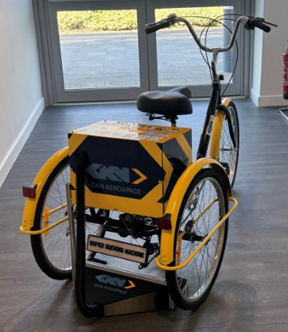
Keeping a promise made during their earlier visit, the GKN Aerospace ProtoTeam returned to Welton Primary School to unveil the completed prototype. Alongside Ellis, the team presented the machine during a school assembly and demonstrated it in action for pupils and staff.
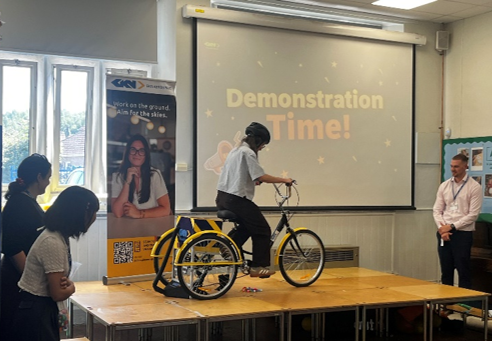
It was a proud moment for everyone involved. The finished prototype successfully combined Ellis’s original idea with the engineering knowledge and creativity of the ProtoTeam.
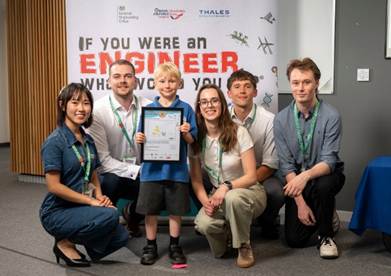
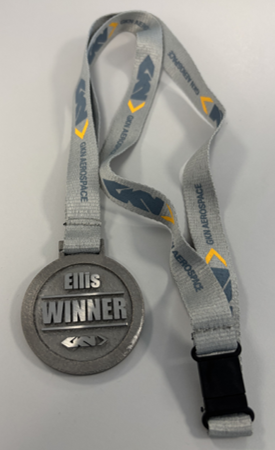
To celebrate the occasion, the team also presented Ellis with a custom three dimensional printed titanium award as a lasting reminder of his achievement and contribution to the project.
Looking ahead
Although this is the final Primary Engineer update for the Super Sucking Machine project, the journey does not end here.
Throughout July, the Super Sucking Machine will be displayed at the GKN Aerospace stand at the Farnborough Airshow, giving an even wider audience the opportunity to see Ellis’s invention and learn about the project.
For the ProtoTeam, this experience has been both rewarding and inspiring. It has provided an opportunity to apply engineering skills in a new way while working alongside an imaginative young inventor.
Most importantly, the project has shown the power of creativity, collaboration, and engineering to turn a simple idea into a real working solution. The team hopes this journey inspires more young people to explore STEM subjects and consider future careers in engineering.